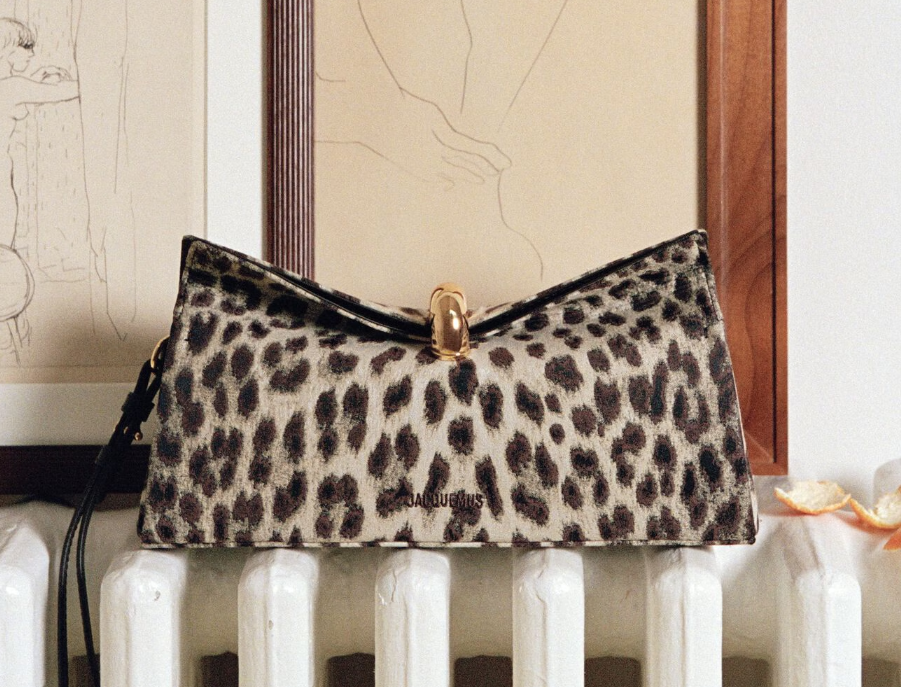
All pics by Jacquemus
Ob-la-di, ob-la-da, life goes on.
I remember listening to The Beatles' song when I was little. I didn't know much about life, but I somehow understood its promise. It sounded like a perfect little story: people falling in love, growing older, building families, discovering the world. Everything seemed to happen naturally, almost effortlessly. Life was a sequence of happy moments, and tomorrow was simply another page.
I think I genuinely believed life would be like that.Years later, I find myself thinking about those lyrics again, this time through the work of Simon Porte Jacquemus.
A fashion house built on memories
There is something particularly distinctive about Jacquemus. Since founding his maison in 2009, the French designer has developed a visual universe that feels instantly recognisable: oversized proportions, sculptural accessories, Mediterranean landscapes, playful compositions and a very particular relationship with the French countryside.
His collections often move between childhood memories, family heritage and an almost cinematic interpretation of everyday life. From the lavender fields of Provence to the dramatic setting of the Palace of Versailles, his shows are as much about creating an atmosphere as presenting clothes.
But behind this seemingly effortless world lies a deeply personal story.
Jacquemus is his mother's maiden name. His mother, Valérie, passed away when he was young, and her memory has remained a fundamental part of his identity as a designer. His fashion house carries her name, making his entire creative journey, in a way, an ongoing tribute to her.
Le Valérie: a handbag with a story
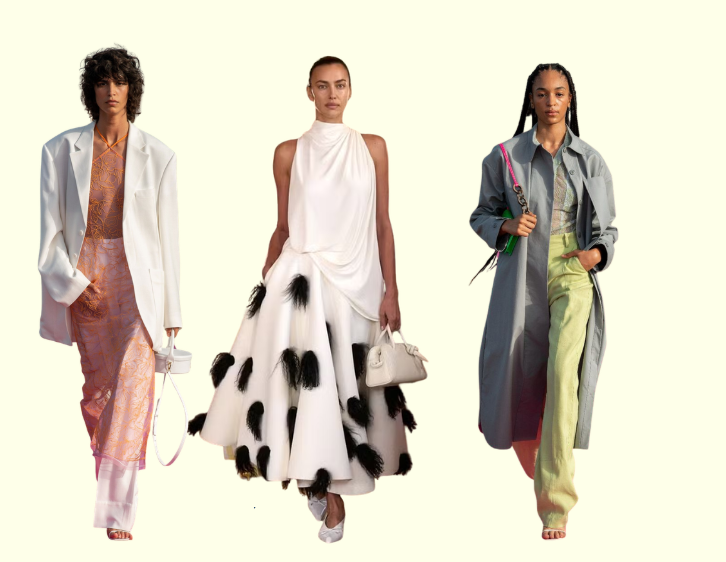
Presented as part of the Spring 2026 collection, Le Paysan, Le Valérie is much more than another addition to the Jacquemus accessories universe.
The silhouette draws inspiration from the elegance of 1930s handbags, reinterpreted through the designer's contemporary aesthetic. Its structured shape, soft folds and distinctive sculptural circular metal closure give it an understated yet recognisable character. Available in different finishes, the bag balances classic femininity with the playful details that have become part of the Jacquemus signature.
The collection also explores the relationship between fashion and rural heritage, with playful leather charms inspired by fruit and vegetables. These small details bring a sense of humour and nostalgia to an otherwise refined accessory.
Yet the most important detail is perhaps its name.
Valérie.
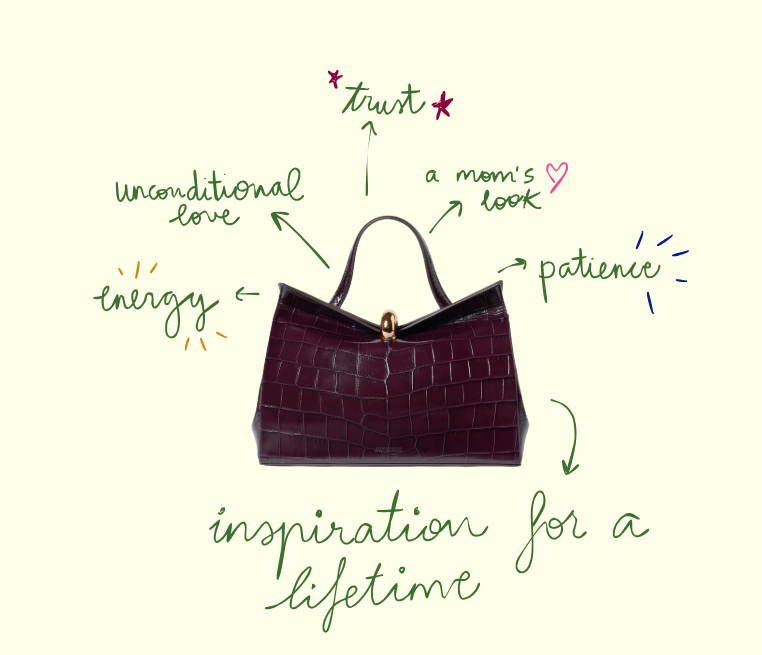
An intimate tribute to the woman behind the designer's surname and, in many ways, behind the emotional foundations of his work.
A campaign through a child's eyes
For its campaign, Jacquemus chose Canadian actress Charlotte Le Bon to embody a woman observed through a child's perspective.
Photographed by Mark S. Rosie and styled by Omaima Salem, the campaign moves away from the conventional language of luxury handbag advertising. Rather than presenting the bag through a succession of polished product shots, it creates an intimate portrait of a woman in everyday life.
There is a particular tenderness in this visual approach. The camera seems to follow her with the curiosity of a child: observing gestures, movements and ordinary rituals. Getting ready, going about the day, occupying a familiar domestic space. The woman becomes the protagonist of a small cinematic story.
The result is both playful and nostalgic. Charlotte Le Bon brings an effortless personality to the character, while the photography and naturalistic atmosphere make the campaign feel closer to a remembered moment than a traditional fashion advertisement.
It is interesting how a handbag can become part of a narrative without being its only protagonist. Le Valérie is present throughout, but what we remember is the woman carrying it, the atmosphere surrounding her and the feeling the images leave behind.
The life we imagined
I used to listen to Ob-La-Di, Ob-La-Da and imagine that growing up would look something like its lyrics. A happy succession of experiences, relationships and discoveries. I imagined a future without really considering everything that might happen between childhood and adulthood.
Then you grow up and discover that life is rather more complicated.
People leave, plans change, and some experiences stay with you much longer than you expected. You realise that you cannot keep everything. Every new chapter involves leaving something behind, sometimes voluntarily and sometimes not.
Perhaps this is why Jacquemus's relationship with memory feels so relevant to me. His work suggests that fashion can be a way of preserving something personal, of transforming a memory into an object that can exist in the present.
A handbag named after a mother. A campaign that revisits the way a child looks at a woman. A designer who has built an entire creative identity around the memory of his family.
It makes me think about the things we carry, beyond the objects we choose to put inside our bags.
We carry places, people, conversations and versions of ourselves. Some become photographs, others become stories, and sometimes they become part of something we create.
I still love the optimism of that Beatles song. But I understand its lyrics differently now. Life goes on, although not necessarily as we imagined it would. And perhaps growing up is learning that a life can be beautiful without following the story we once had in mind. It can even be beautiful in grieve, and that is the real victory.
Maybe that is what makes creation so meaningful: it allows us to give a new form to things that time cannot give back.
Ob-la-di, ob-la-da, life goes on, even if you want it to or not. And you decide what to make of it. You can even create a globally successful fashion brand. Simon, play this song in your next show, please.
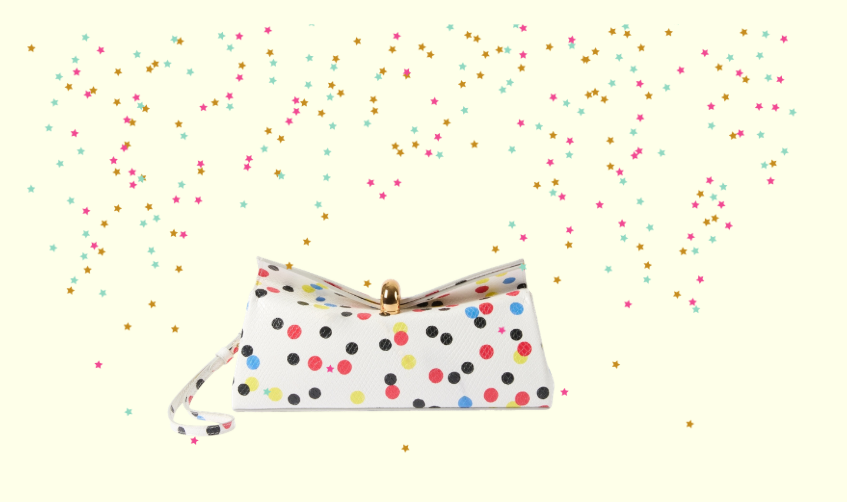
If you ask me, this one is my favorite. It’s called Confetti. You get why.
